A good podcast editor is rarely noticed by your audience, and that is exactly the point. Listeners do not stay because they admire your noise reduction settings. They stay because the episode feels clear, well-paced and easy to trust. If your show is part of your brand, business or thought leadership strategy, editing is not a finishing touch. It is part of how you protect credibility.
That matters more than many hosts realise. You can have a strong concept, smart guests and a clear commercial goal, but if the listening experience feels messy, slow or inconsistent, people switch off. In a crowded podcast market, that drop-off is expensive. It affects retention, referrals, reviews and, ultimately, monetisation.
Take advantage of our lowest price Essential Done-For-You Professional Podcast Editing or if you need help starting a podcast enjoy a huge 80% OFF our Forbes-recommended Podcast Launch Package today!
On a budget? Want to edit your podcast yourself? Stop Guessing. Start Monetising – Download our Pro Podcast Audio Editing Kit Template– broadcast quality results within minutes – just drag in your audio GET INSTANT ACCESS – LIMITED LAUNCH OFFER
Sound your best!
What a podcast editor actually does
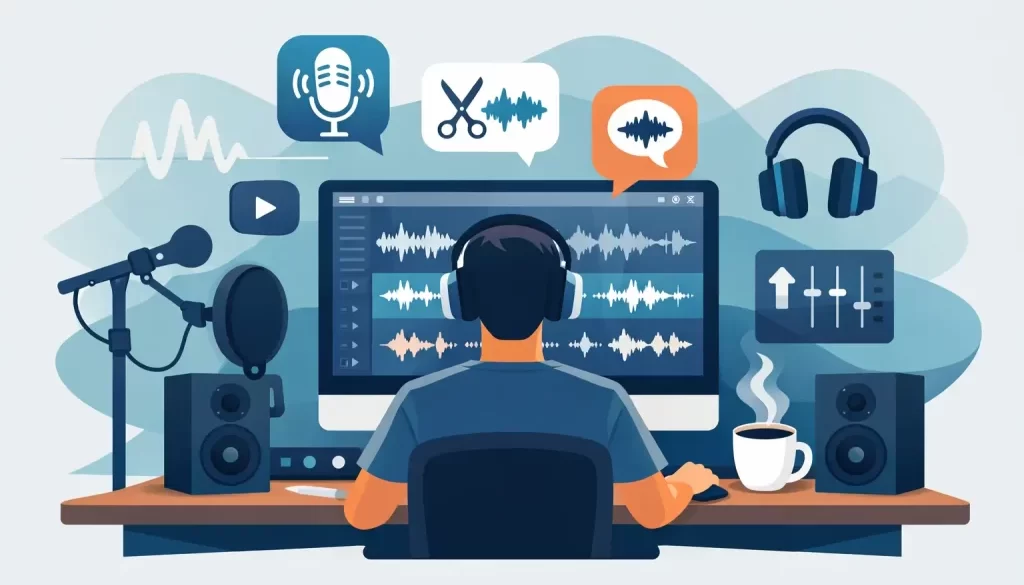
The simplest answer is that a podcast editor turns raw recordings into episodes people will keep listening to. In practice, that job is much broader than cutting out a few pauses.
A professional edit starts with audio quality. That means dealing with background noise, uneven levels, microphone differences, mouth clicks, hum, distortion and awkward room sound where possible. Some issues can be improved significantly, while others can only be managed. This is where experience matters. A human editor knows when to clean audio aggressively and when to leave well alone to avoid making speech sound thin or unnatural.
Then there is structure and pacing. Long pauses, repeated phrases, false starts, interruptions and tangents all affect how polished your episode feels. A strong editor shapes the conversation without stripping out the personality that made it worth recording in the first place. That balance is important. Over-editing can make a show feel stiff. Under-editing can make it sound amateur.
There is also consistency. One of the biggest differences between hobbyist production and commercially credible production is that the show sounds reliably good from episode to episode. Intros land at the right level. Voices feel balanced. The episode moves with purpose. That consistency builds listener trust, especially for branded podcasts, expert-led shows and founder-hosted series.
Why a podcast editor matters to business results
It is easy to think of editing as a technical service. In reality, it has a direct effect on how your podcast performs.
First, editing supports listener retention. If episodes ramble, peak unexpectedly in volume or include obvious distractions, people leave. They may not complain. They simply stop listening. A cleaner, tighter edit helps more listeners reach the middle and end of the episode, which is where your authority, calls to action and monetisation opportunities often sit.
Second, editing shapes brand perception. If you are a consultant, author, CEO or business owner, your podcast is part of your professional image. Poor audio signals low standards, even when the ideas themselves are strong. A polished episode suggests care, competence and attention to detail.
Third, it saves internal time. Many hosts begin by editing their own show and quickly realise how costly that becomes. Two hours of raw audio can easily turn into many more hours of post-production, quality checks, exports and revisions. That time is usually better spent on strategy, guest relationships, sales or content planning.
Finally, good editing supports monetisation. Sponsors, partners and premium listeners expect a credible product. If you want a podcast to generate leads, support digital product sales or attract commercial partnerships, production quality is part of the offer.
Human podcast editor or AI tool?
This is where the conversation needs some honesty. AI tools can be useful for speed. They can remove silence, level audio and automate some repetitive tasks. For solo creators with a very simple format, that may be enough for a while.
But there is a clear trade-off. Automated editing works best when the source audio is already strong and the content requires little judgement. Once you add multiple speakers, interruptions, emotional nuance, storytelling beats or variable recording conditions, automation starts to show its limits. It cannot reliably make editorial decisions about timing, tone, emphasis or what should stay for meaning even if it is technically imperfect.
A human podcast editor listens like your audience listens. They can hear when a pause adds impact and when it simply drags. They can smooth an interview without flattening it. They can spot when an intro is too long, when a guest answer needs tightening, or when a transition feels abrupt. Those decisions affect the final impression far more than most automated settings.
For businesses and serious podcasters, that distinction matters. If your show exists to build trust and drive commercial outcomes, manual editing is usually the safer investment.
What to expect from a professional podcast editor
A proper editing service should give you more than a cleaned-up file. At minimum, you should expect clear communication, dependable turnaround and a workflow that does not create extra stress.
The technical side may include noise reduction, equalisation, compression, levelling, removal of mistakes, tighter pacing, intro and outro placement, music balancing and final mastering to a consistent standard. If you record multi-track interviews, the editor should also be able to work across separate files so overlapping speech and level issues can be handled with more precision.
Just as important is the support around the edit. New podcasters often need help with recording setup, microphone positioning, file delivery and publishing basics. More established shows usually need reliability, responsiveness and quality control across a regular release schedule. The best service adapts to both.
This is one reason many clients prefer a single point of contact. You do not want to explain your format, preferences and brand standards to a different freelancer every week. A stable relationship tends to produce better results because the editor learns your voice, your audience and where your episodes need the most attention.
How to choose the right podcast editor
Price matters, but it should not be the only factor. Cheap editing can become expensive if episodes still sound weak, deadlines slip or you spend time fixing preventable issues.
Start by looking at judgement, not just software. Can the editor explain what they improve and why it matters for the listener? Do they understand pacing, retention and brand perception, or do they only talk about plug-ins? If your podcast supports a business, you want someone who sees the bigger picture.
Next, consider communication. Fast, clear replies are not a luxury when you are publishing regularly. If you are launching a show, managing guests or working around campaign deadlines, responsiveness matters. So does reliability. A beautiful sample edit means very little if the workflow falls apart after three episodes.
It is also worth asking how flexible the service is. Some podcasts need basic audio cleanup. Others need advanced multi-track editing, tighter turnaround, launch support or ongoing technical guidance. The right fit depends on your format, your goals and how involved you want to be in production.
For many clients, the best choice is not the biggest agency or the cheapest freelancer. It is the provider who combines high standards with direct support and understands that editing is tied to audience growth and commercial credibility. That is why businesses such as Pure Podcasting Ltd position editing as a strategic service, not a commodity task.
When should you invest in a podcast editor?
Usually earlier than you think. Many hosts wait until they feel established, but first impressions are hard to repair. If your early episodes sound patchy, some listeners will not return to hear the improvements later.
That said, the right level of support depends on where you are. If you are launching, an editor can help you avoid technical mistakes, create a strong standard from episode one and reduce the stress of getting a show off the ground. If you are already publishing, editing becomes even more valuable when output is frequent, guests are high-profile or the podcast plays a role in sales and marketing.
There are also practical tipping points. If editing is delaying publication, eating into your working week or leading to inconsistent quality, outsourcing is no longer a nice-to-have. It is a way to protect momentum.
A podcast can open doors, build authority and support revenue, but only if people want to keep listening. The right editor helps make that happen quietly, consistently and professionally. If your show matters to your reputation, your audience or your business, editing is not where you cut corners. It is where you make sure every episode sounds like it deserves to be heard.
Take advantage of our lowest price Essential Done-For-You Professional Podcast Editing or if you need help starting a podcast enjoy a huge 80% OFF our Forbes-recommended Podcast Launch Package today!
On a budget? Want to edit your podcast yourself? Stop Guessing. Start Monetising – Download our Pro Podcast Audio Editing Kit Template– broadcast quality results within minutes – just drag in your audio GET INSTANT ACCESS – LIMITED LAUNCH OFFER
Sound your best!