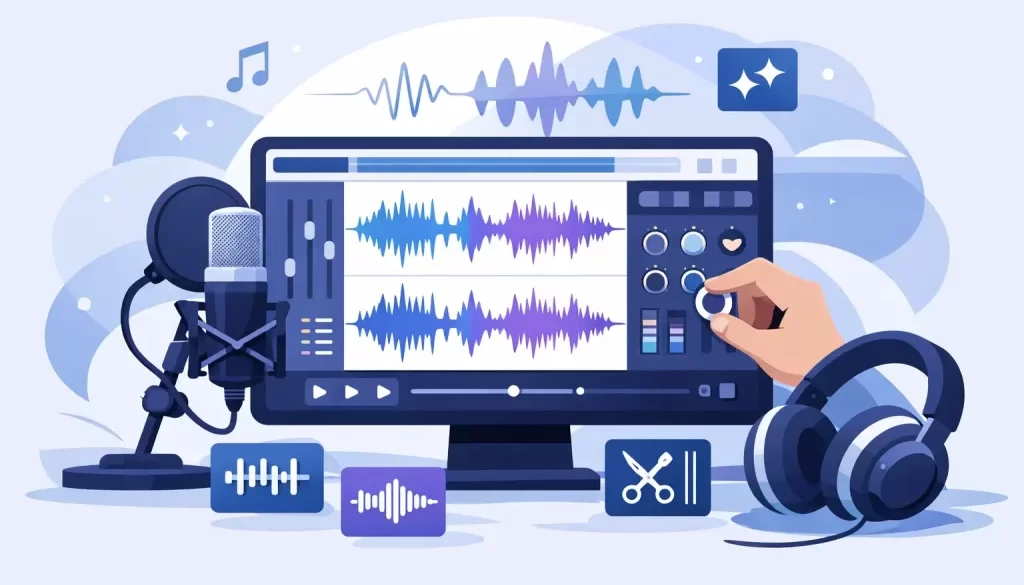
A great recording can still lose listeners in the first few minutes if the edit is clumsy. Harsh cuts, uneven volume, distracting background noise and long pauses all signal the same thing – this show is not quite ready. If you want to edit podcast audio properly, the goal is not just to remove mistakes. It is to make the episode feel clear, trustworthy and easy to keep listening to.
That matters more than many hosts realise. For founders, authors, consultants and brands, a podcast is rarely just a hobby. It supports authority, relationships, leads, sales and, in many cases, direct monetisation. If the audio sounds amateur, the commercial impact suffers with it.
What good podcast editing actually does
Editing is often misunderstood as tidying up a few ums and trimming the start and finish. In reality, strong editing shapes the listener experience. It helps your pacing feel natural, keeps attention where it should be and protects your credibility.
A polished episode usually includes noise reduction, level balancing, removal of obvious distractions, tighter pacing and a final listen for flow. On multi-speaker shows, it also means managing overlaps, matching microphone differences and making sure one voice does not dominate the whole recording. When this is handled well, listeners do not notice the editing at all. They simply stay engaged.
That is the standard serious podcasters should aim for. Not perfection, but confidence. Your audience should feel that they are listening to a well-produced show run by people who care about quality.
Before you edit podcast episodes, fix the source
The fastest way to waste time in post-production is to rely on editing to rescue poor recording habits. Some issues can be improved later, but many cannot be fully corrected. Room echo, clipped audio and speakers talking over one another are all much harder to fix than to prevent.
A decent microphone, sensible mic technique and a quiet recording space will do more for your final result than any editing trick. Wearing headphones during remote interviews helps avoid feedback and bleed. Asking guests to record in a soft-furnished room rather than a kitchen can make a dramatic difference.
This is where many new hosts get caught out. They assume editing is the safety net for everything. It is not. Editing refines quality, but it works best when the raw material is already usable.
A practical workflow to edit podcast audio well
The best editing workflow is one you can repeat consistently. It should be efficient enough to support regular publishing, but thorough enough to maintain standards as your show grows.
Start with the full listen
Before cutting anything, listen through the episode once. This gives you a sense of pacing, weak sections, guest energy and technical problems. It also stops you making micro-edits too early and losing sight of the whole conversation.
During this pass, note any major issues such as repeated points, false starts, interruptions, plosives, background sounds or sections that drag. If the recording has commercial importance, such as a branded interview or authority-building guest appearance, pay close attention to whether the structure supports the message clearly.
Clean up distractions first
The first practical stage is removing what obviously pulls listeners out of the episode. That may include long silences, off-topic tangents, microphone bumps, repeated answers, coughs and interruptions that add nothing.
This is also the point where restraint matters. Not every pause is bad. Not every filler word needs cutting. If you strip too much out, the episode can start sounding stiff or unnatural. For conversational podcasts, some breathing room helps the host sound human and credible. The right choice depends on the format, your audience and the brand you are trying to build.
Balance levels and improve clarity
Once the structure is cleaner, focus on sound consistency. Listeners will tolerate a lot less than hosts think when it comes to changing volume. If one speaker is far quieter than another, or the intro is louder than the interview, people notice immediately.
Level adjustments, EQ and careful compression can help improve intelligibility and create a more stable listening experience. This is where technical judgement counts. Too little processing leaves the show uneven. Too much creates the brittle, overworked sound that many automated tools produce.
For business podcasts especially, clarity should take priority over gimmicks. You do not need your audio to sound heavily processed. You need it to sound clean, confident and easy to follow across headphones, laptops and car speakers.
Treat noise carefully
Noise reduction can be useful, but it is one of the easiest ways to damage audio if handled aggressively. A constant low hum may be reducible. Light background hiss may be manageable. But if heavy processing leaves voices sounding metallic or thin, the cure can be worse than the problem.
This is one reason manual human editing still matters. Automated tools are fast, but they often apply broad fixes without enough judgement. A skilled editor knows when to clean, when to leave well alone and when to suggest improving the recording setup instead.
Tighten the pacing
Pacing is one of the most overlooked parts of editing. A good conversation can still feel slow if answers wander, transitions drag or the host takes too long to reach the key point.
Tightening pacing does not mean making everything quick. It means keeping the episode moving with purpose. On interview shows, that may involve trimming repetitive phrasing or sharpening transitions between topics. On solo episodes, it may mean reducing meandering introductions and bringing the listener to the value sooner.
When this is done properly, listener retention usually improves. People stay because the episode respects their time.
Should you edit podcast audio yourself or outsource it?
There is no single right answer. If you are early in your journey, editing your own episodes can help you understand your format, spot weaknesses in your recording habits and keep costs under control. It can also become a bottleneck very quickly.
Most hosts underestimate how long editing takes, especially when they want a show to sound commercially credible. A one-hour episode can easily require several hours of careful work once you include clean-up, mixing, quality checks and export preparation. That is time not spent on guest outreach, content strategy, sales or audience growth.
Outsourcing makes sense when your podcast supports a wider business goal and consistency matters. It is particularly valuable if you publish regularly, work with guests, run a branded show or need a dependable standard across every episode. Professional editing is not just about convenience. It protects your reputation and frees you to focus on the parts of podcasting only you can do.
For many clients, the real benefit is peace of mind. They know the show will be handled properly, turned around on time and delivered by someone who understands both audio and audience expectations.
Why manual editing still beats one-click tools
AI tools can be useful for rough clean-up, transcripts and speeding up basic tasks. But if your goal is a premium-sounding podcast, one-click editing is rarely enough. It cannot reliably judge tone, nuance, brand context or what should stay in for personality and flow.
Manual editing gives you control over the details that shape quality. It allows for better judgement on pacing, more precise fixes on awkward sections and more natural-sounding clean-up overall. That difference becomes obvious on interview podcasts, long-form content and business shows where trust is central.
Pure Podcasting Ltd is built around that principle. Human editing, direct support and a single point of contact produce a better result than a generic automated workflow, particularly when the podcast needs to support authority, retention and monetisation.
What listeners notice, even if they never say it
Your audience may never email to compliment your EQ settings or your noise floor. They will, however, notice whether your podcast feels easy to listen to. They will notice whether your guest sounds distant, whether the conversation rambles and whether the whole production feels considered.
That impression shapes trust. It affects whether someone listens again, recommends the show or sees your brand as credible. If your podcast is part of your business, those reactions have real value.
Editing is where much of that value is won or lost. Not because editing is glamorous, but because it is the stage where raw audio becomes a professional product. When done well, it helps you sound serious, established and worth the listener’s attention.
If you want your podcast to work harder for your brand, treat editing as part of the strategy, not the admin. The shows that grow are rarely the ones that simply get published. They are the ones that sound ready to be heard.