A podcast can win trust in the first 30 seconds – or lose it just as quickly. If your intro is uneven, the guest volume jumps, or the pacing drags, listeners notice. That is why the question of whether to outsource podcast editing or inhouse matters far more than most hosts expect. It is not just an operations decision. It affects how professional you sound, how consistently you publish, and how seriously your audience takes your brand.
For some shows, keeping editing in-house makes perfect sense. For others, outsourcing is the move that finally frees up time, improves quality, and turns the podcast into a credible commercial asset. The right answer depends on your goals, your workflow, and the standard your audience expects.
Outsource podcast editing or inhouse: what are you really deciding?
On the surface, this sounds like a simple cost question. In practice, it is a decision about time, consistency, risk and growth.
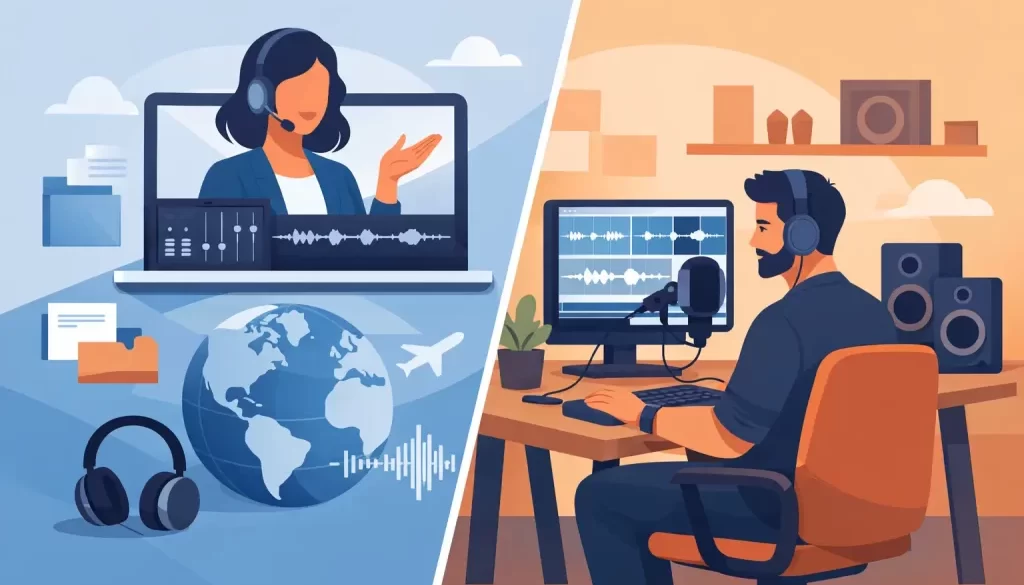
If you edit in-house, you keep direct control over the process. You can make changes quickly, test your own style, and avoid relying on an external provider. That can work well if you already have the skills, the software, and the time to do the work properly.
If you outsource, you are buying back hours and reducing production pressure. You are also usually gaining access to experienced human editors who know how to improve flow, clean up distractions, balance levels and shape an episode for listener retention. For founders, authors, consultants and brands, that often matters more than the raw edit itself. A polished show protects reputation.
The mistake is treating editing as a background admin task. It is part of the listener experience. It influences whether people stay, subscribe, recommend the show and trust the business behind it.
When in-house editing works well
In-house editing tends to suit podcasters with one of two profiles. Either they genuinely enjoy the production side, or they have internal resource that can handle it to a high standard without disrupting everything else.
If you are an experienced host with a simple solo format, a treated recording space and predictable production needs, in-house editing can be efficient. The learning curve is smaller when you are only cleaning up your own voice, adding a standard intro and outro, and exporting to a regular schedule.
It can also make sense for businesses with a dedicated content team. If someone on your team already manages video, design and publishing, podcast editing may sit naturally within that workflow. In that case, the value of keeping things under one roof is less about saving money and more about keeping communication tight.
That said, editing in-house only works if it is genuinely being done well. Many teams think they have this covered because the audio is technically usable. Usable is not the same as commercially strong. If pacing is off, filler words are excessive, guest audio is inconsistent or background noise slips through, the show may sound amateur even if the content itself is excellent.
The hidden cost of keeping it in-house
The biggest cost is rarely software. It is time.
A one-hour episode can easily take several hours to edit properly, especially if it involves two microphones, remote recording issues, content trimming, level matching and final quality checks. If the host is also the editor, that is time taken away from client work, strategy, sales, or simply recording the next episode.
There is also the cognitive load. Editing requires attention to detail. It is repetitive, technical and difficult to rush without quality dropping. Many podcasters start by editing everything themselves and quickly realise the process is slowing the whole show down. Episodes get delayed. Publishing becomes inconsistent. Momentum slips.
Then there is the reputational risk. When editing is squeezed into evenings or done between meetings, standards become uneven. Some episodes sound fine. Others do not. Listeners may not know why one episode feels harder to follow than another, but they feel it. Inconsistent quality weakens trust.
When outsourcing podcast editing is the smarter choice
If your podcast supports your business, your personal brand or your revenue goals, outsourcing often becomes the more sensible option quite early.
This is especially true if your show includes guest interviews, remote recordings, multiple hosts or regular weekly publishing. Those formats create more opportunities for technical problems and more need for experienced judgement. A human editor can remove distractions, smooth awkward transitions and preserve the natural rhythm of the conversation without making it sound over-processed.
Outsourcing is also valuable when speed matters. Many commercial podcasts lose traction because production falls behind. A reliable editing partner gives you a workflow you can count on. That consistency is what allows a show to grow, attract better guests and create trust with listeners.
For newer podcasters, outsourcing can remove a major barrier to launching at all. Instead of spending weeks learning software and troubleshooting export settings, you can focus on recording well and building the right show. For established hosts, it is less about support and more about quality assurance. You want every episode to leave the right impression.
Outsource podcast editing or inhouse: the quality question
This is where the decision usually becomes clearer.
Editing is not just about removing mistakes. Good editing shapes the listening experience. It helps a conversation move cleanly, keeps energy where it should be, reduces friction and supports retention. That requires judgement.
AI tools can assist with basic cleanup, but they do not replace careful human listening. They often miss context, flatten natural speech patterns or make poor decisions around pauses, interruptions and emphasis. If your podcast reflects your expertise and your brand, relying entirely on automated processing can be a false economy.
An experienced editor listens for more than technical faults. They notice when an intro is too long, when a section drags, when a guest answer needs tightening, or when volume changes make the episode feel distracting. Those details affect how polished and credible your show sounds.
If you keep editing in-house, ask a hard question: are you producing audio that sounds genuinely premium, or simply good enough to upload? There is a meaningful difference.
Control versus capacity
One reason some hosts hesitate to outsource is the fear of losing control. That concern is understandable. Your podcast carries your voice, your messaging and your standards.
But good outsourcing should not reduce control. It should improve capacity while protecting quality. The best setup is not handing everything over with no involvement. It is creating a clear process with one trusted point of contact, agreed editing preferences, consistent turnaround times and room for feedback when needed.
In practice, many podcasters feel more in control after outsourcing because the workflow becomes predictable. They are no longer scrambling to finish edits at the last minute. They can review final episodes calmly, plan content ahead and focus on performance rather than patching production problems.
How to decide what is right for your show
Start with your business priorities, not your editing software.
If your podcast is occasional, low stakes and mainly a personal project, in-house editing may be perfectly reasonable. If your show is tied to lead generation, audience growth, authority building or monetisation, the standard needs to be higher and the workflow more reliable.
Ask yourself whether editing is your best use of time. Ask whether your current production quality reflects the level of expertise you want associated with your name or company. Ask whether publishing is consistent enough to support growth.
You should also look at the long-term picture. Many hosts stay in-house because it feels cheaper in the short term, then end up with irregular output, listener drop-off and avoidable stress. Others outsource too early without a clear process and feel disconnected from the result. The best decision is the one that supports both quality and sustainability.
For many business podcasters, the strongest model is straightforward: keep creative direction in-house and outsource the technical post-production to a specialist. That gives you control over message and content, while ensuring the final audio sounds polished, reliable and commercially credible.
A professional editing partner should do more than tidy up audio. They should help you sound your best, protect your brand and make publishing feel manageable. That is where a specialist service such as Pure Podcasting earns its value – not as an extra expense, but as part of a serious production process.
If you are still deciding whether to outsource podcast editing or inhouse, use this test: choose the option that gives your listeners the best experience every single week, not the option that simply keeps everything on your plate. Your audience hears the difference, even when they cannot name it.